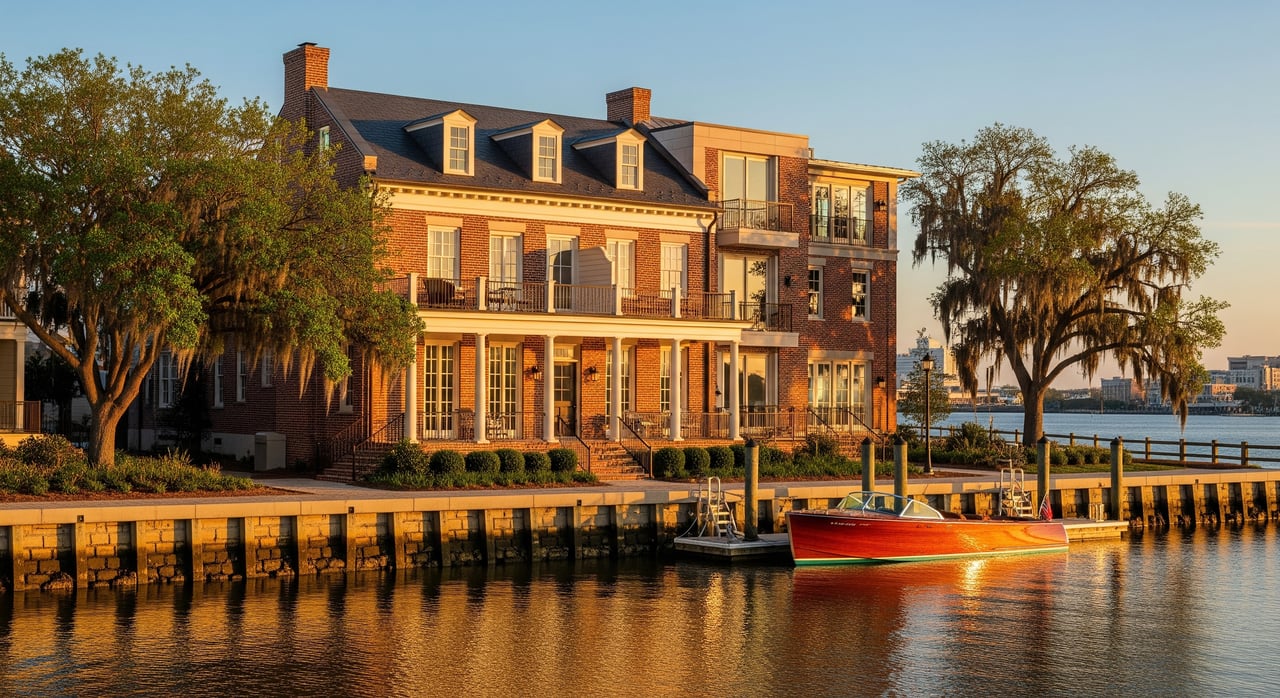
Love the idea of stepping out your door to a waterfront stroll and coffee with river views? If you are weighing a move or a second home, Downtown Wilmington lets you live steps from the Cape Fear River, independent restaurants, and a lively arts scene. In this guide, you will learn what everyday life feels like, the housing options to expect, and the practical checks that matter for a smart purchase. Let’s dive in.
Downtown daily life
Downtown Wilmington is compact, walkable, and anchored by the Cape Fear River. You can reach cafés, small retailers, galleries, and theaters on foot or by a short bike ride. The energy rises on weekends and during events, which is part of the draw for many residents.
Expect a true urban coastal vibe. You trade suburban quiet for river views, brick sidewalks, and a calendar full of festivals and live performances. Parking is available, but it can be tighter near the riverfront and during busy times.
Riverwalk and outdoor time
The Riverwalk is a signature everyday amenity. Residents use it for morning runs, evening strolls, and outdoor dining with water views. Kayaking, paddleboarding, and river cruises are close at hand, with charter options available.
Beaches are a short drive, so it is easy to blend downtown culture with coastal recreation. Many residents split weekends between the Riverwalk and nearby beaches like Wrightsville, Carolina, and Kure.
Dining, coffee, and errands
Front Street and nearby blocks offer independent restaurants, bars, coffee shops, and craft food spots. Downtown markets cover daily needs, with larger grocery stores a short drive away. You will also find banks and basic services within or near the core.
If you like trying new places and knowing your barista, you will feel at home. If you want big-box shopping every day, you will likely drive for those errands.
Arts, culture, and events
Downtown serves as a cultural center with theaters, galleries, live music, film and arts festivals, and seasonal celebrations. Event schedules vary by year, so you will want to check dates as you plan. Small stages and local venues create a steady stream of performances.
Expect more foot traffic and activity during spring and summer and around major festivals. Many residents enjoy the buzz and plan dining or travel around the event calendar.
Housing options on the river
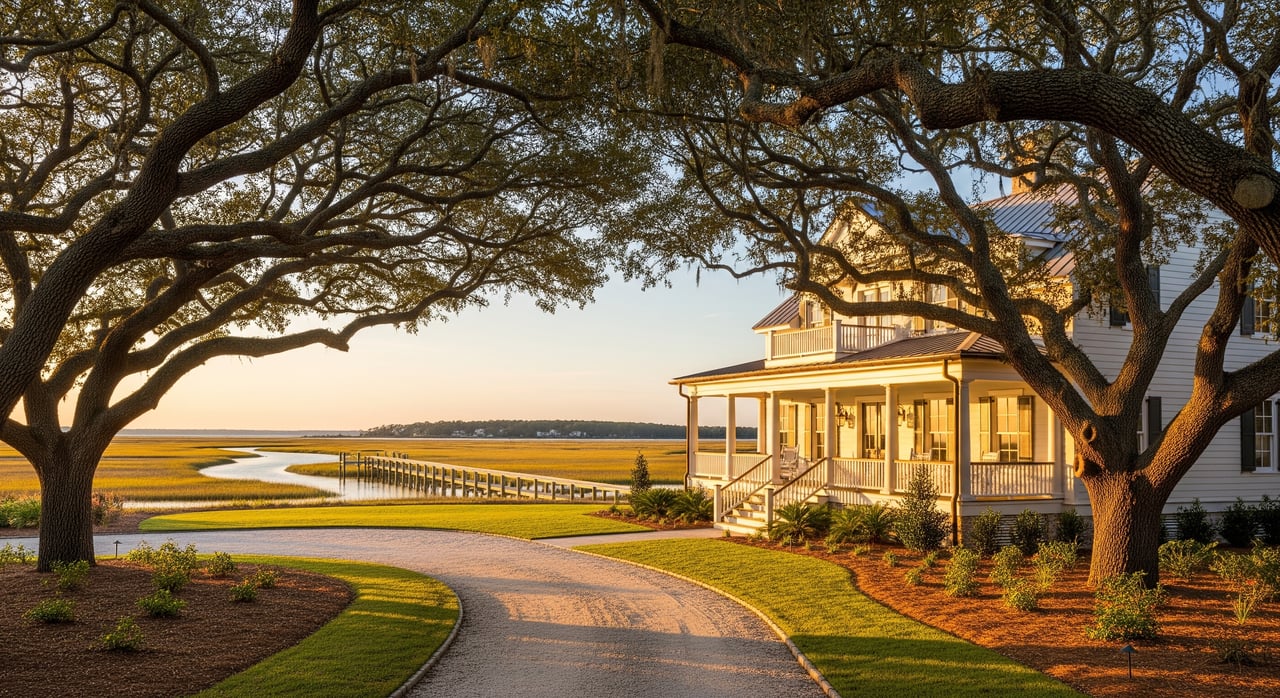
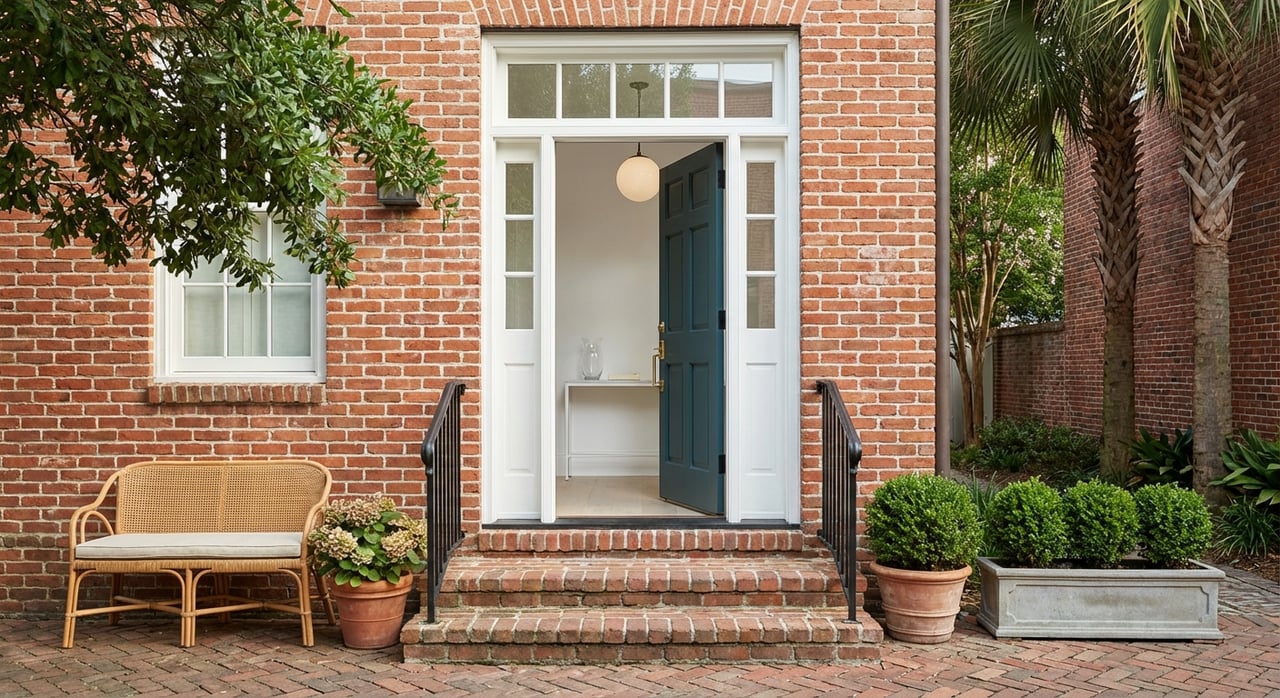
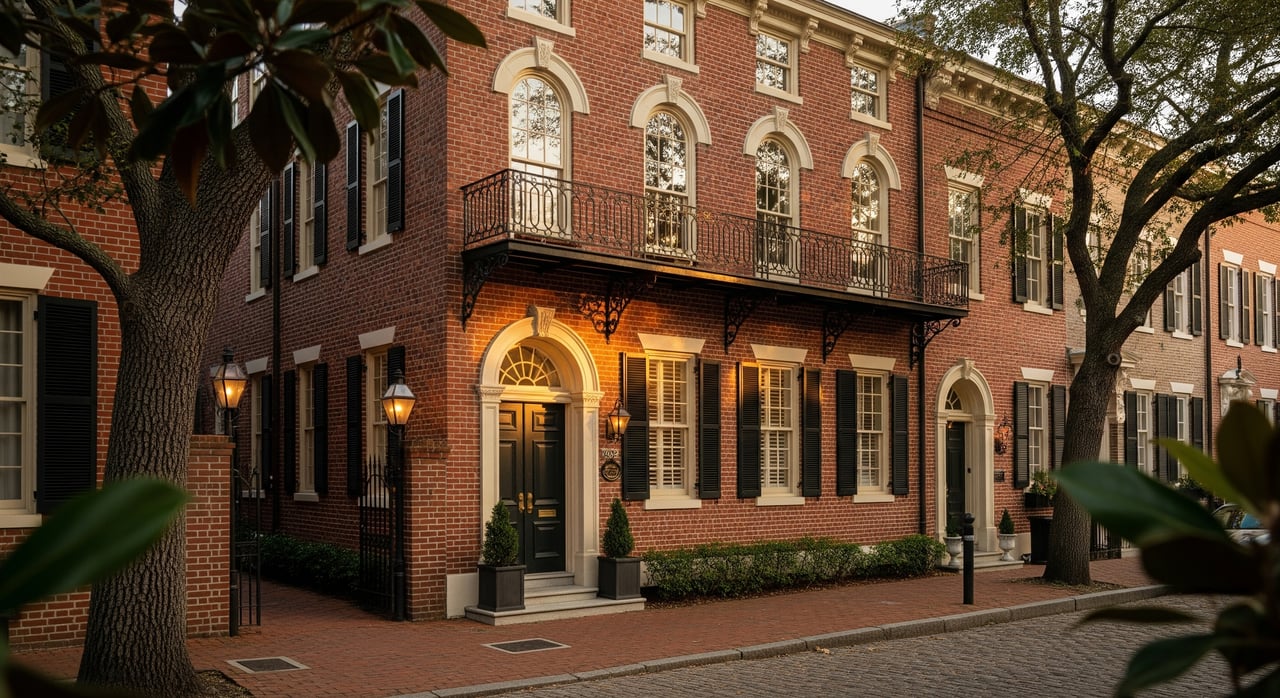
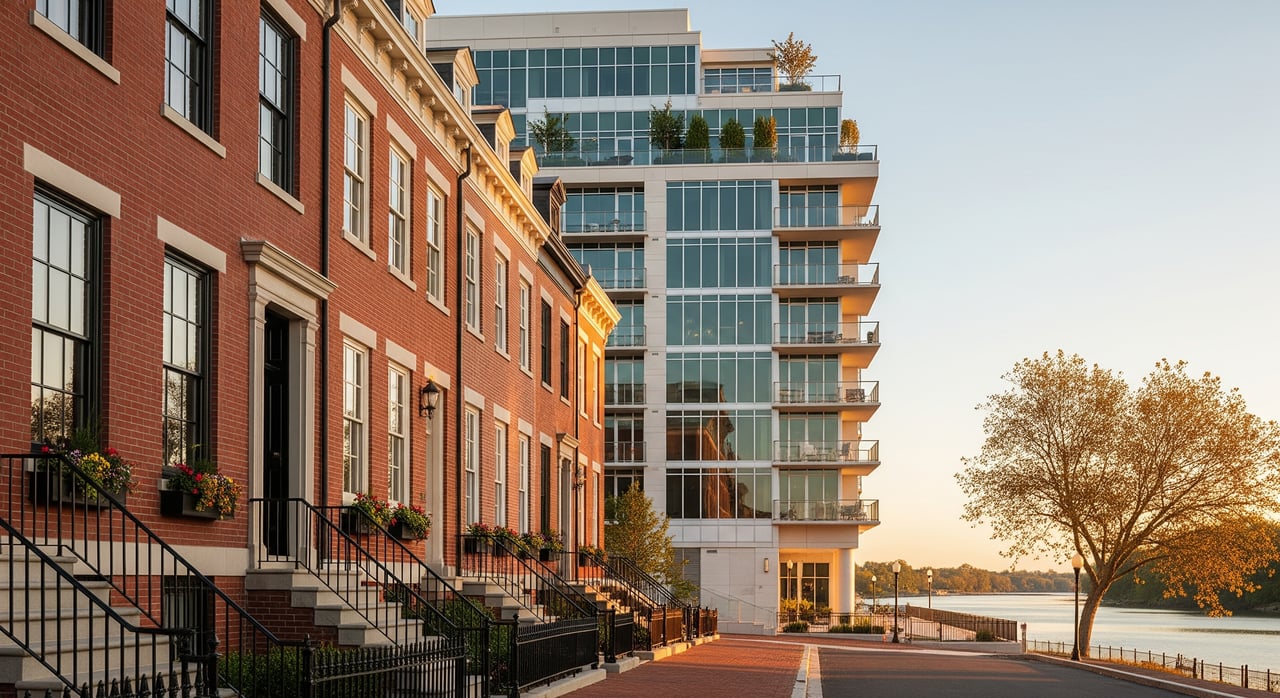
You will find a mix of historic single-family homes, riverfront and inner-core condominiums, and converted lofts. Each option supports a different lifestyle.
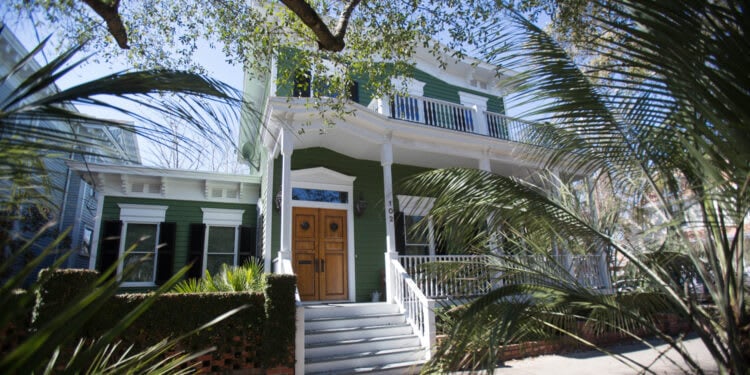
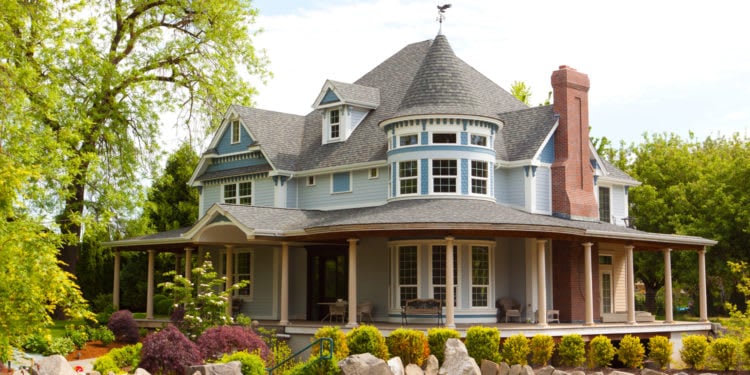
- Historic homes: 19th- and early-20th-century architecture with period details.
- Condominiums: Newer and rehabbed buildings, often with garage or assigned parking and lock-and-leave convenience.
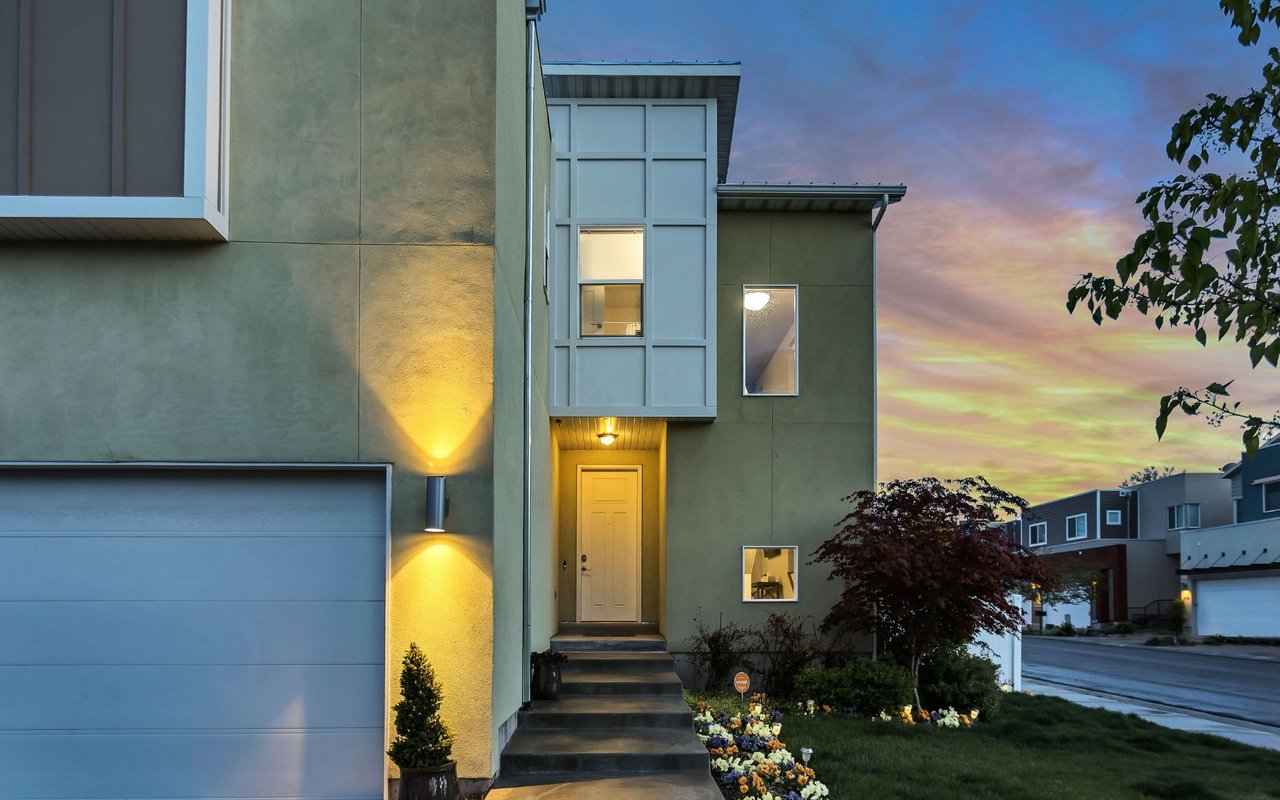
- Conversions/infill: Loft-style units and modern infill that blend into the walkable grid.
What to know about historic homes
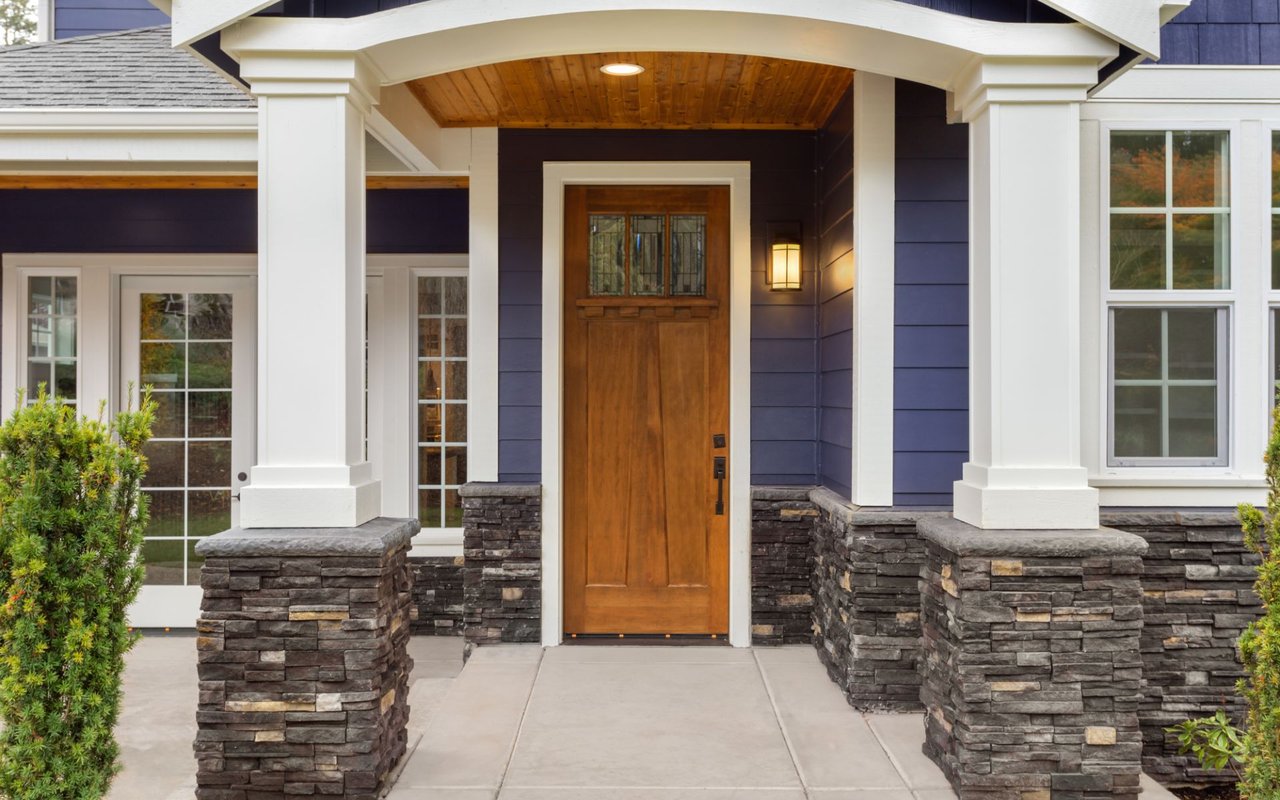
Historic properties deliver character and proximity to the river, but they usually require more maintenance. Mechanical systems can be older, and updates may uncover issues like outdated wiring or plumbing. If the home sits in a designated historic district, exterior changes typically need design review.
Interior updates are usually more flexible. Plan ahead for timeline, cost, and the approvals you will need if you want to renovate.
Condo and HOA essentials
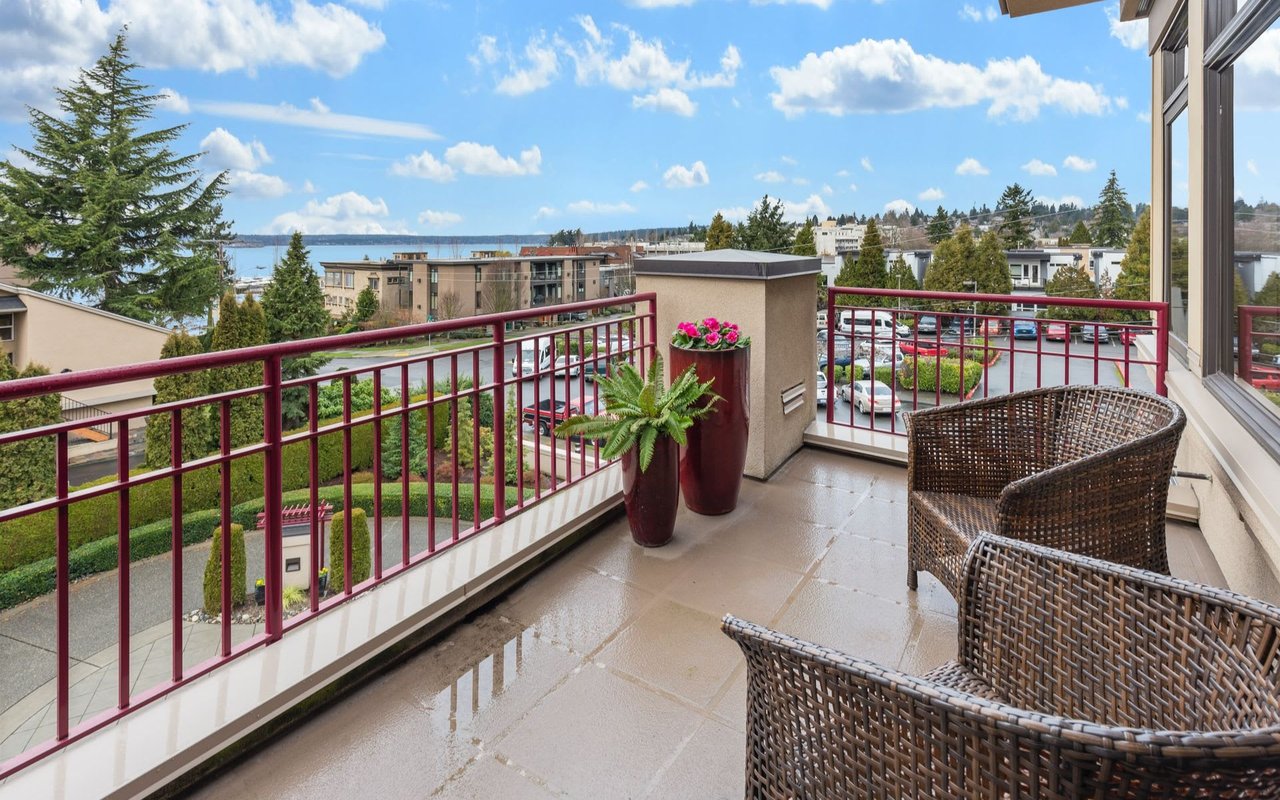
Condos can be ideal for second-home or low-maintenance living. Review HOA rules and finances closely. Focus on reserve funds, insurance coverage, special assessments, parking allocation, pet policies, and management quality.
If you plan to rent short term, confirm whether the HOA allows it. Riverfront buildings may carry higher insurance and maintenance costs because of their location and exposure.
Flood risk and insurance basics
Wilmington’s coastal setting brings tropical storms and hurricane exposure, and the riverfront includes low-lying areas. Flood zones, elevation, and building features directly affect insurability and premium levels. Many properties near the river will require or strongly benefit from flood insurance.
Before you write an offer, request the property’s flood map determination and any elevation certificate. Ask for seller disclosures on past flood damage, mitigation work, and prior claims. Speak with insurance pros experienced in coastal North Carolina to price both flood and wind coverage for the address you are considering.
Getting around and commuting
Central downtown is highly walkable. Biking is common for short trips, and a local bus system serves Wilmington and surrounding areas. To reach regional jobs and travel hubs, you have straightforward access to major roads and Wilmington International Airport.
Traffic builds at rush hour on key corridors. If you commute to the beaches or suburban job centers, test the drive at your typical time.
Schools and education overview
Downtown addresses fall under New Hanover County Schools. Assignments depend on the specific address and can change, so verify zoning for any property you are considering. The University of North Carolina Wilmington is nearby and adds to cultural programming and rental demand.
Healthcare and essential services
Regional hospitals, urgent care centers, and clinics serve downtown residents. When you narrow your search, map care options and emergency routes from each address. Proximity and response times can vary by block.
Short-term rentals: rules to check
Downtown locations attract short-term rental interest, but rules matter. City and county ordinances, permits, occupancy taxes, and HOA rules determine what is allowed. Check the current framework and confirm building-level policies before you buy if income is part of your plan.
Everyday tradeoffs to weigh
- Walkability and culture vs. more visitors and event crowds during peak seasons.
- Historic character vs. higher upkeep and design review for exterior changes.
- River views and access vs. flood risk and potentially higher insurance costs.
- Lock-and-leave condo living vs. HOA rules, assessments, and parking allocations.
Buyer checklist for downtown
Use this quick list as you evaluate homes and condos in the riverfront core:
- Verify flood zone, obtain elevation certificate, and price flood and wind coverage.
- Review seller disclosures for past flood events and mitigation work.
- For historic homes, confirm district boundaries and exterior review requirements.
- For condos, audit HOA reserves, insurance, special assessments, rental and pet policies, and parking.
- Confirm school assignments for the exact address.
- Map healthcare, transit, and commute routes at your typical times.
- Review public safety resources for specific blocks and addresses.
- Check utility connections, stormwater management, and broadband options at the property.
Start your search with a local guide
Choosing between a historic porch, a riverfront condo, or a modern loft comes down to your lifestyle, budget, and comfort with maintenance and insurance. A local, boutique team can help you weigh the tradeoffs, align the right property with your goals, and navigate details like HOA reviews and insurance quotes. When you are ready to explore, connect with Jennifer Buske Young for neighborhood-level insight and a client-first approach.
FAQs
Is Downtown Wilmington a good fit for families?
- It depends on the specific block, nearby parks, school assignments for the address, home layout, and your daily routine; inventory of larger single-family homes is more limited than in suburban areas.
How much does flood insurance cost on the riverfront?
- Premiums vary by FEMA flood zone, elevation, construction, and prior claims; get quotes from coastal insurance brokers for the specific address and compare NFIP and private options.
Are exterior changes allowed on historic homes downtown?
- Interior updates are typically flexible, while exterior changes in designated historic districts usually require review and approval by local preservation authorities.
Can I operate a short-term rental in Downtown Wilmington?
- It depends on current city and county rules, required permits and taxes, and your HOA’s policies; confirm all requirements for the exact property before you buy.
Is commuting from Downtown Wilmington convenient?
- Yes for many destinations, with access to major roads and ILM; actual drive times depend on your route and rush-hour conditions, so test trips during your typical schedule.